 Tool
ToolWhen a vendor blocks the pricing page: what this site does, and what a buyer should do
Two of the twenty-two reviews on this site print no prices at all. The Pipedrive pricing page returned an access error on every attempt on October 7, 2026, and the Zendesk pricing page ended every attempt in a connection error on the same day. Both vendors publish pricing; both pages refused automated reading. This note explains the rule the site applies in that situation, why the rule exists, how the two reviews were graded without a price, and what a buyer facing a quote-only or hard-to-read pricing page should ask for before signing. The short version: a price that cannot be read is not printed, and a price that is not in writing is not a price.
The rule: no figure that was not read
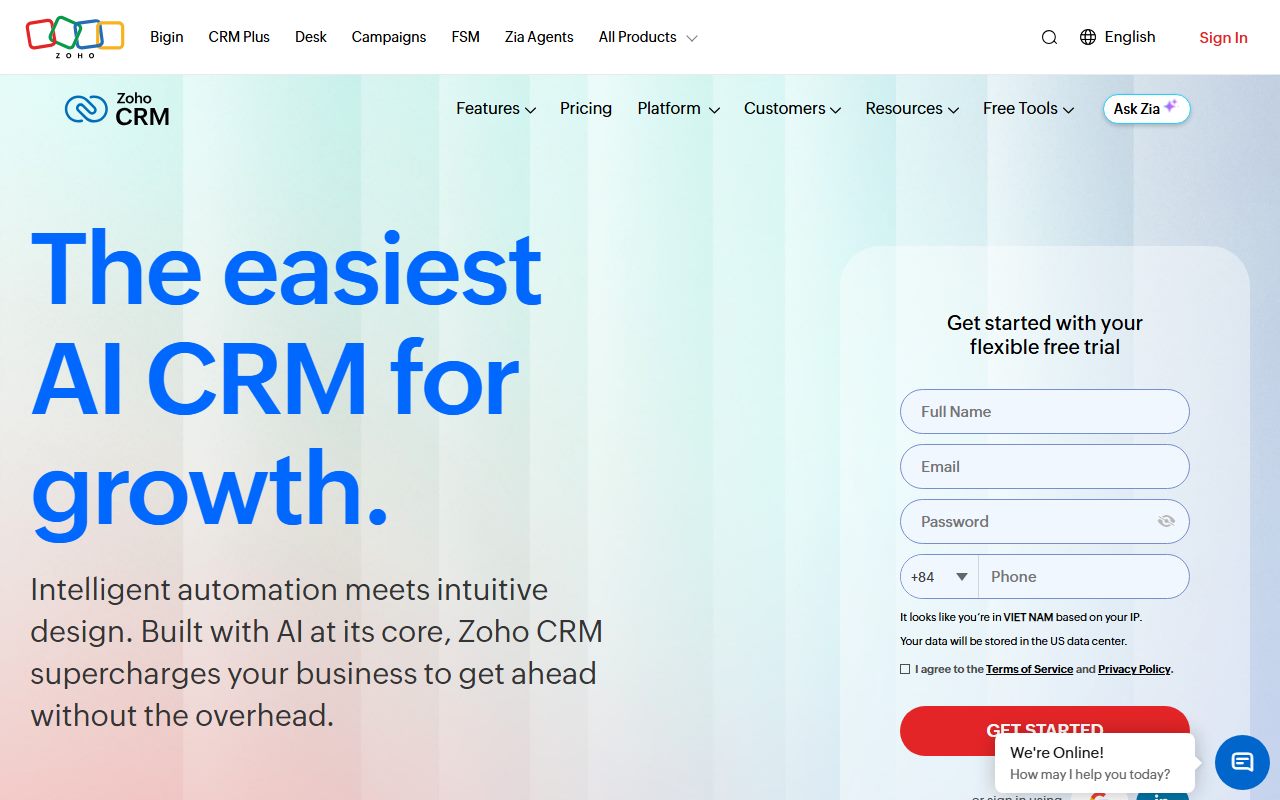
The site does not print a number it has not checked against a primary source on a stated date. That is a standing rule rather than a hedge, and it applies whether the reason is a blocked page, a page served in another currency, or a figure that exists only in a sales deck. Zoho CRM's pricing page was served in Indian rupees because of request location, so the review takes its dollar figures from the edition comparison page, which displayed them, and says so. Deel's global payroll is quoted rather than listed, so the review states that it could not be included. Pipedrive and Zendesk are the two cases where no price could be read at all, and the reviews say in their first pricing sentence that no prices are printed and why. The alternative, copying a figure from a third-party aggregator or from memory, would put a number on the page that nobody at this site can trace, and a reader would have no way to tell it from a verified one.
How a review is graded without a price
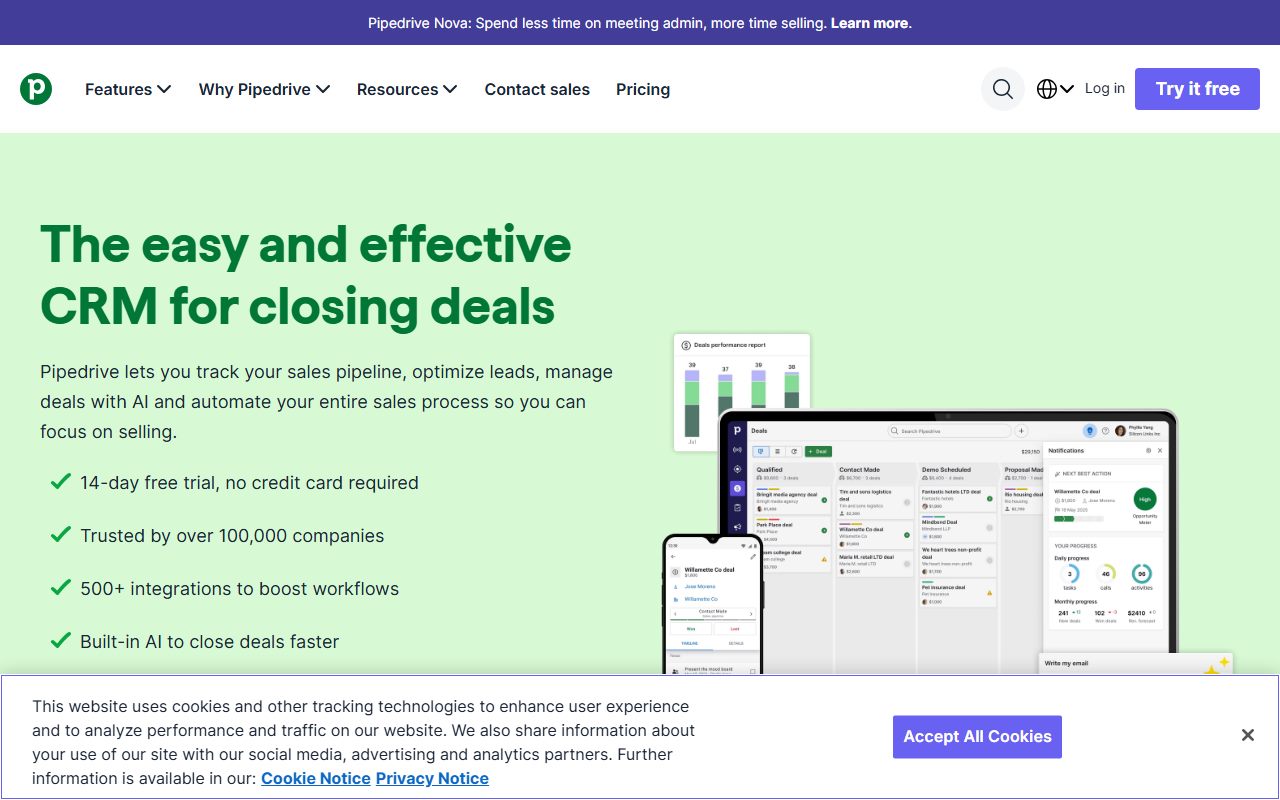
Both reviews grade value from structure and mark the score as provisional. The Pipedrive review uses three knowledge base articles read the same day, the pricing explainer, the plan feature comparison and the 2025 plan-change article, to establish that there are four per-seat plans, that a seat is charged whether or not assigned, that billing is monthly or annual with an annual discount paid upfront, and that rates vary by region. From that it reasons that a ten-person sales team needs all ten seats, that Lite will not do because it lacks email sync and automations, and that Growth is the realistic floor. The value score of 3.8 is stated as a structural judgment to be revised when the page can be read. The Zendesk review does the same from the plan-type documentation, which maps features to five Suite tiers clearly enough to establish that SLA management and custom reports sit at Professional, and its value score of 3.2 is marked the same way. In both cases the comparison to a rival with verified prices, Freshdesk at $19, $55 and $89 per agent per month billed annually in the Zendesk case, is made against the rival's figures only.
This is weaker than a review with prices, and the reviews say so. What it preserves is the part of a value judgment that does not depend on the figure: which tier a realistic team lands on, which feature forces the step above it, and whether a free or light seat exists. Those are the questions that decide most bills, and they are answerable from plan documentation alone.
What a blocked page tells a buyer
A pricing page that cannot be read by a machine is not evidence of bad faith; both vendors publish prices to human visitors and both have reasons to resist scraping. It is, however, a small data point about how the vendor presents pricing, and it belongs in the same category as HubSpot's promotional rates shown beside list rates, where the two pages read for that review displayed different promotional figures on the same day, or Pipedrive's documented regional variation in currency and rate. The common thread is that the number a buyer sees depends on who is looking, from where, and when. A buyer in that situation should not rely on a screenshot or a remembered figure, and should assume that the number quoted on a call may differ from the number on the page.
Get the price in writing, with the terms that move it
For any vendor whose page is quote-only, region-dependent, or simply unreadable, the practical step is a written quote that states more than the per-seat rate. The items below are the ones the reviews on this site repeatedly identify as the variables that move a bill, and each should appear in the quote or in the order form it references.
- The per-seat rate for the specific tier, the billing cycle, and the currency.
- The seat count being committed to, and whether seats can be added or removed mid-term.
- Any seat minimum, as monday.com and 1Password's Starter Pack publish, and any seat cap.
- Whether a viewer, guest or light-agent role exists on that tier and whether it is billed.
- Add-ons required for the intended use: Pipedrive sells Campaigns and Web Visitors separately on every plan, and Zendesk's documentation lists add-ons for higher-volume AI and API use.
- Onboarding or implementation fees, which HubSpot has historically attached to Professional and Enterprise and which the pages read for that review did not display.
- The renewal rate, or the rule by which it will be set.
The last item is the one most often missing. An annual contract fixes the rate for twelve months; what happens in month thirteen is governed by a renewal clause, and the common forms are renewal at the then-current list rate, renewal with a stated maximum percentage increase, or renewal at the same rate with notice. Ask which applies, ask for it in the order form rather than in an email, and ask for the notice period required to cancel or reduce seats. A vendor that will not put the renewal rule in writing is telling a buyer something about the second year.
Check the terms for price-change rights
Separately from renewal, read the subscription terms for the vendor's right to change prices during a term and the notice it must give. Subscription terms commonly allow a vendor to change a monthly rate with thirty days' notice, and commonly fix an annual rate for the term but not beyond; the specific wording varies and is the thing to read. Some terms also allow the vendor to change the tier contents, moving a feature up a rung, without changing the price, which has the same effect as a price increase for a team that needs that feature. The Trello review notes that Atlassian revises tier contents periodically and the ClickUp review notes the same of that vendor, and both say to open the live page before signing for that reason. For a blocked or quote-only page the equivalent is to attach the plan feature table to the order as it stands on the day of signing, so there is a written record of what the tier included.
Bottom line
When a pricing page cannot be read, this site prints no price, grades value from the plan structure, and marks the score as provisional; the Pipedrive and Zendesk reviews are the two current examples and both will be revised when the pages can be read. A buyer facing the same page should get the rate, the seat terms, the add-ons, any onboarding fee and the renewal rule in a written order form, and should read the subscription terms for price-change and tier-change rights. A number on a call is a conversation; a number in an order form with the terms attached is a price.